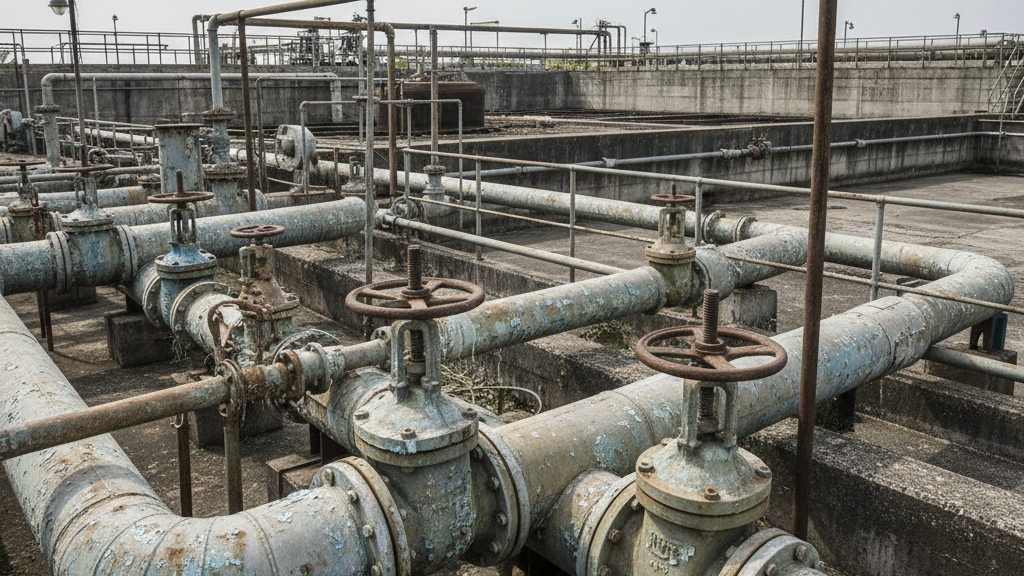
As infrastructure continues to age and regulatory requirements become more stringent, wastewater systems across the country face increased pressure to perform reliably, efficiently, and in compliance. In 2026, investing in system upgrades is no longer a luxury—it’s a necessity. Ignoring aging or underperforming wastewater components can lead to more than just operational issues; it often results in regulatory violations, emergency repairs, costly downtime, and environmental hazards.
At Waste Water Supply, we’ve seen firsthand the steep price of deferred maintenance and outdated equipment. This article explores why 2026 is the right time to prioritize upgrades, the hidden costs of neglecting your wastewater system, and how proactive investment today can lead to long-term savings and reliability.
Why 2026 Is a Pivotal Year for Wastewater Systems
Contents
The coming year presents both challenges and opportunities for facilities managing wastewater treatment and pumping systems:
- Aging Infrastructure: Many municipal and industrial systems are operating with components well beyond their expected service life.
- New Regulations: Stricter environmental standards and discharge limitations are pushing systems to meet higher performance metrics.
- Rising Repair Costs: Emergency repairs and downtime often cost significantly more than planned upgrades.
- Available Technology: Today’s pumps, control panels, sensors, and treatment systems are more efficient, reliable, and easier to monitor remotely.
Waiting too long to upgrade often leads to unplanned failures that force rushed decisions and higher expenses. In contrast, strategic investment in 2026 allows for better budgeting, smarter system design, and full compliance planning.
The Hidden Costs of Wastewater System Neglect
While skipping an upgrade or repair might seem like a way to reduce costs in the short term, the long-term expenses of system neglect can far outweigh the savings. Here’s what facilities risk when they put off necessary upgrades:
1. Emergency Repairs and Downtime
- Unplanned system failures often occur at the worst times—during storms, extreme temperatures, or periods of high flow.
- Emergency repair costs can be 3–5 times higher than scheduled upgrades due to labor premiums, overnight freight, and system damage.
2. Environmental and Regulatory Fines
- Failing to meet discharge requirements or experiencing a system overflow can result in substantial penalties.
- Repeated violations may also require third-party monitoring or system upgrades under regulatory order—eliminating your ability to control costs.
3. Increased Energy and Operating Costs
- Aging pumps, motors, and control systems operate less efficiently, increasing utility bills month after month.
- Modern components are built with energy-efficient technology that delivers long-term savings while reducing carbon footprint.
4. Reduced Equipment Lifespan
- When components operate under strain or are part of an outdated system, they tend to wear out faster and require more frequent replacement.
Key Areas to Prioritize for 2026 Wastewater Upgrades
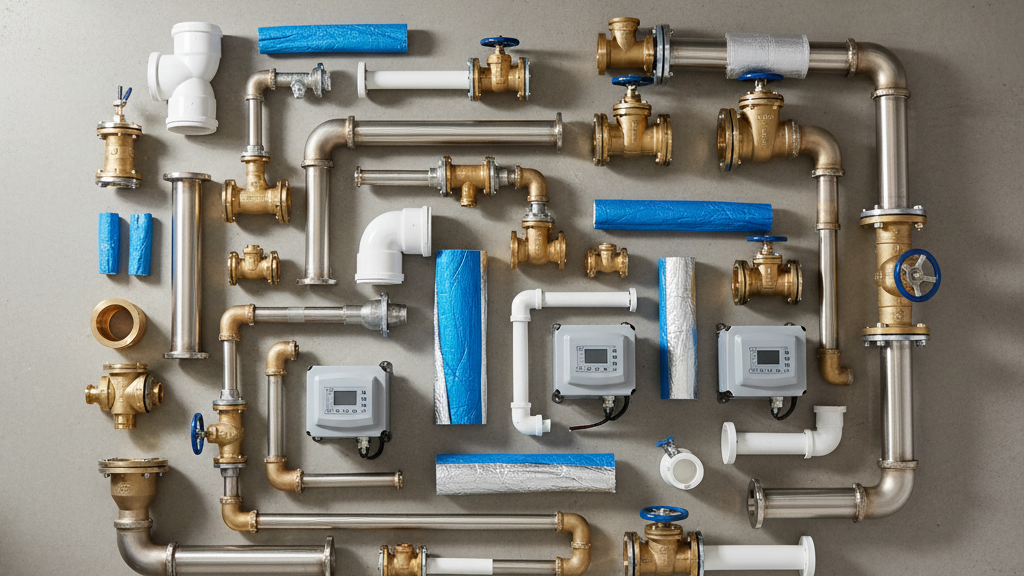
Not every system requires a full overhaul. Targeted upgrades can deliver high-impact results with a manageable investment. Consider these high-priority components:
1. Pumping Systems
- Older pumps may struggle to meet demand or operate inefficiently.
- Newer models are designed for energy efficiency, reduced maintenance, and longer service life.
2. Control Panels and Monitoring Systems
- Upgrading to modern control panels with SCADA integration or remote monitoring helps prevent failures before they occur.
- Advanced controls improve automation, alarm capabilities, and energy management.
3. Flow and Level Sensors
- Reliable data is critical for optimizing performance and maintaining compliance.
- Newer sensors are more accurate, easier to calibrate, and often compatible with digital monitoring platforms.
4. Treatment System Enhancements
- Facilities relying on outdated biological or chemical processes may benefit from more efficient treatment technologies or supplement solutions that enhance performance.
5. Backup and Emergency Power Systems
- Upgrading or installing backup generators ensures uninterrupted operation during power outages or storms—especially important during winter and hurricane seasons.
Benefits of Investing in 2026
Upgrading your wastewater system in 2026 comes with more than just technical benefits. It provides strategic advantages that can strengthen your operations for years to come:
- Improved Reliability: Reduce system downtime and avoid unexpected shutdowns.
- Regulatory Confidence: Stay ahead of environmental compliance and reporting requirements.
- Operational Efficiency: Lower your operating costs through automation and energy-efficient equipment.
- Future-Proofing: Prepare your facility for growth, increased demand, and future regulatory changes.
Partnering with the Right Wastewater System Experts
Choosing to invest in your wastewater system is only part of the solution—the success of that investment depends on working with knowledgeable, reliable professionals who understand your system’s needs. At Waste Water Supply, we provide the equipment, guidance, and long-term support to help you upgrade with confidence.
Whether you’re looking to replace an aging pump station, modernize your controls, or simply evaluate your current system for future needs, our team is ready to help you make smart, cost-effective decisions in 2026.
Get Started on Your Wastewater System Upgrades
Neglecting your wastewater system may cost you more than you think. Take control of your infrastructure, protect your budget, and avoid unnecessary downtime by planning your upgrades now.
Contact us today to discuss your wastewater system upgrade needs or to schedule a system evaluation.