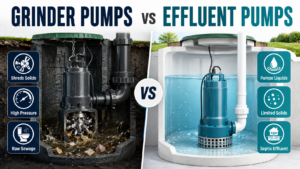
What Is the Difference Between Grinder Pumps and Effluent Pumps?
Contents
- 1 What Is the Difference Between Grinder Pumps and Effluent Pumps?
- 2 How Do You Choose the Right Submersible Wastewater Pump?
- 3 What Are the Most Common Lift Station Replacement Parts?
- 4 Aerobic vs Anaerobic Wastewater Treatment: Which Process Is Better for Your Application?
- 5 PVC vs HDPE vs Stainless Steel: Which Wastewater Pipe Material Is Best for Your Application?
- 6 What Is the Lifespan of a Wastewater Treatment System and How Can You Extend It?
- 7 How to Choose the Right Chemical Feed System: 7-Step Guide 2026
- 8 Common Causes of Wastewater Pump Failure: Understanding Sewage Pump Malfunction and Preventing Costly Breakdowns
- 9 How to Establish Wastewater Treatment Equipment Inspection Schedules: 5-Step Guide
- 10 OEM vs. Aftermarket Wastewater Parts: Which Should You Buy?
Professional illustration of What Is the Difference Between Grinder Pumps and Effluent Pumps? A grinder pump uses cutting blades and a grinding mechanism to macerate solid waste, toilet paper, and sewage into a fine slurry before pumping to municipal sewer lines, whereas an effluent pump transfers only pre-screened liquid effluent from septic tanks to drain […]
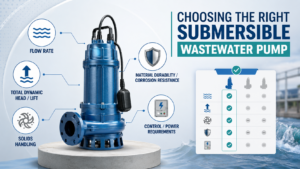
How Do You Choose the Right Submersible Wastewater Pump?
Selecting the right submersible wastewater pump ensures reliable sewage removal, prevents system failures, and minimizes long-term maintenance costs. This comprehensive guide walks you through the pump sizing methodology used by professionals to match pump specifications to your wastewater application requirements. Completion time: 2-3 hours. Skill level: Intermediate (basic understanding of plumbing systems required). Before You […]
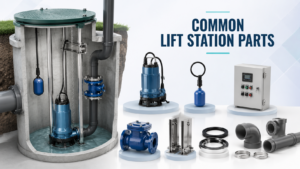
What Are the Most Common Lift Station Replacement Parts?
The three most common lift station replacement parts are pump impellers (replaced every 2-5 years due to wear and clogging), float switches (replaced every 3-4 years due to mechanical failure), and check valves (replaced every 5-7 years due to seal deterioration). According to municipal wastewater facility data from 2024, these three components account for 67% […]
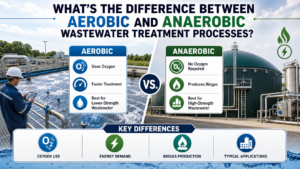
Aerobic vs Anaerobic Wastewater Treatment: Which Process Is Better for Your Application?
The main difference between aerobic and anaerobic wastewater treatment lies in oxygen presence. Aerobic bacteria require dissolved oxygen to decompose organic matter, producing carbon dioxide, water, and biomass. In contrast, anaerobic bacteria function without oxygen, generating methane and biogas while digesting organic waste. Aerobic processes achieve faster biological oxygen demand (BOD) reduction but consume significant […]
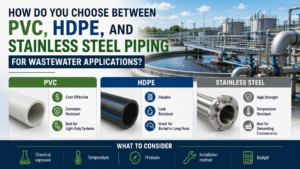
PVC vs HDPE vs Stainless Steel: Which Wastewater Pipe Material Is Best for Your Application?
Direct Answer: Choose PVC (Polyvinyl Chloride) for cost-effective gravity sewer systems with moderate chemical exposure; select HDPE (High-Density Polyethylene) for flexible underground installations requiring superior impact strength and chemical resistance; opt for Stainless Steel (304 or 316 grades) when handling highly corrosive wastewater, extreme temperatures, or high-pressure applications in wastewater treatment plants. According to the […]
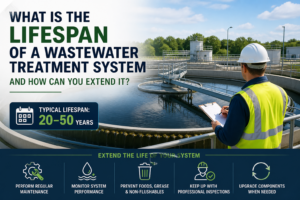
What Is the Lifespan of a Wastewater Treatment System and How Can You Extend It?
The lifespan of a wastewater treatment system is the functional period during which the system effectively treats and disposes of household or commercial sewage before requiring major repair or complete replacement. A properly maintained conventional septic system typically lasts 20 to 40 years, while individual components such as the septic tank may last 40 years […]
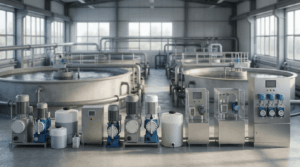
How to Choose the Right Chemical Feed System: 7-Step Guide 2026
Selecting the appropriate chemical feed system for a wastewater treatment plant ensures regulatory compliance, optimizes treatment effectiveness, and controls operating expenses. This comprehensive guide walks you through the process of evaluating dosing requirements, selecting pumps, and designing reliable automated chemical feeding systems. Completion time: 2-4 weeks for analysis and specification. Skill level: Intermediate to advanced […]
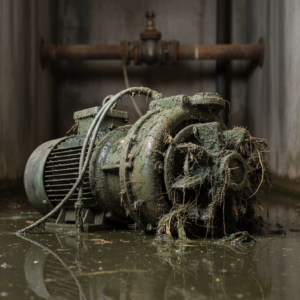
Common Causes of Wastewater Pump Failure: Understanding Sewage Pump Malfunction and Preventing Costly Breakdowns
Throughout my years working with municipal and industrial wastewater systems, I’ve witnessed countless pump failures that could have been prevented with proper knowledge and maintenance. Understanding common causes of wastewater pump failure represents the first critical step toward ensuring system reliability and avoiding expensive emergency repairs. These failures don’t just result in financial losses; they […]
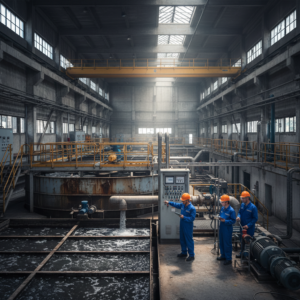
How to Establish Wastewater Treatment Equipment Inspection Schedules: 5-Step Guide
Proper inspection and servicing of wastewater treatment equipment ensures regulatory compliance, operational reliability, and equipment longevity. According to EPA guidelines (2024), systematic preventive maintenance reduces equipment failure rates by 35-50% and extends service life by 20-40%. Before You BeginContents1 Before You Begin2 Step 1: Identify Equipment Categories and Baseline Maintenance Requirements2.1 Classify Critical Equipment2.2 Review […]
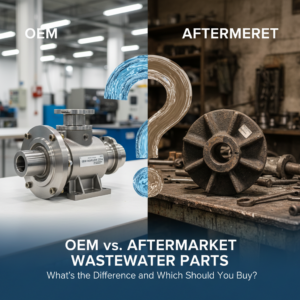
OEM vs. Aftermarket Wastewater Parts: Which Should You Buy?
OEM (Original Equipment Manufacturer) wastewater parts are components produced by the original equipment manufacturer, whereas aftermarket parts are third-party manufacturers’ replacement components made to fit existing equipment. OEM parts typically cost 30-50% more than aftermarket alternatives but include manufacturer warranties and guaranteed compatibility. Aftermarket parts offer cost savings ranging from 25-60% and faster availability but may […]