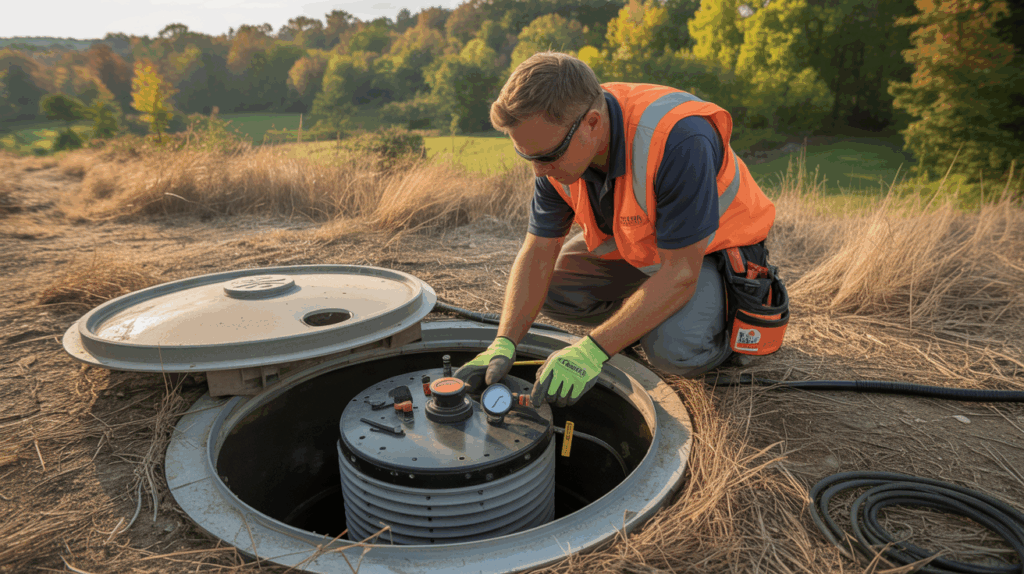
As summer winds down and August approaches, it’s the perfect time to focus on end-of-season wastewater management maintenance. Proper upkeep during this period ensures your systems remain efficient, compliant, and ready to handle the changes that fall and winter bring. Whether you manage municipal, industrial, or commercial wastewater systems, implementing these maintenance tips now can help prevent costly repairs, environmental risks, and service disruptions later.
Why End-of-Summer Maintenance Matters for Wastewater Systems
Contents
- 1 Why End-of-Summer Maintenance Matters for Wastewater Systems
- 2 Key August Maintenance Tips for Wastewater Management
- 2.1 1. Inspect and Clean Screening and Grit Removal Systems
- 2.2 2. Check and Service Pumps and Motors
- 2.3 3. Assess Aeration and Biological Treatment Units
- 2.4 4. Remove Sediment from Clarifiers and Tanks
- 2.5 5. Inspect Pipelines for Leaks and Blockages
- 2.6 6. Test Water Quality and Adjust Chemical Treatments
- 3 Planning Ahead: Preparing for Fall and Winter Challenges
- 4 Why Professional Support Matters
- 5 Contact Us for Expert Wastewater Maintenance Assistance
The summer months often place extra strain on wastewater infrastructure. Increased water usage, warmer temperatures, and occasional summer storms can challenge system components like pumps, pipes, and treatment units. Additionally, biofilm growth and sediment buildup accelerate in warm conditions, impacting system performance.
By the time August arrives, the cumulative effects of these stressors can lead to clogged pipes, reduced treatment efficiency, and even potential violations of environmental regulations. Conducting thorough maintenance before the seasonal shift helps ensure your wastewater system is clean, operational, and compliant moving forward.
Key August Maintenance Tips for Wastewater Management
1. Inspect and Clean Screening and Grit Removal Systems
Screening and grit removal are essential first steps in wastewater treatment. Over the summer, debris such as sand, leaves, and trash accumulate and can cause blockages if not addressed. Inspect screens and grit chambers carefully and perform thorough cleaning to prevent downstream equipment damage.
2. Check and Service Pumps and Motors
Pumps and motors handle significant workload during warmer months. Conduct routine inspections to identify wear, corrosion, or overheating issues. Lubricate bearings, tighten electrical connections, and verify the proper functioning of control panels to avoid unexpected breakdowns.
3. Assess Aeration and Biological Treatment Units
Biological treatment processes rely on optimal oxygen levels to break down waste effectively. Elevated summer temperatures can reduce dissolved oxygen, impairing treatment efficiency. Check aerators for blockages or damage, clean diffusers, and monitor dissolved oxygen levels closely to prepare for seasonal temperature changes.
4. Remove Sediment from Clarifiers and Tanks
Settling tanks and clarifiers often collect sediment and sludge that builds up over time. Excess sediment reduces tank capacity and can impact downstream processes. Schedule desludging or sludge removal to maintain operational capacity and reduce the risk of odors or system failures.
5. Inspect Pipelines for Leaks and Blockages
Heat can cause expansion in pipes, and debris buildup can obstruct flow. Conduct camera inspections or manual checks on pipelines, especially those exposed to the elements or serving high-use areas. Early detection of leaks or clogs helps avoid costly emergency repairs.
6. Test Water Quality and Adjust Chemical Treatments
Water quality parameters such as pH, biochemical oxygen demand (BOD), and total suspended solids (TSS) can fluctuate with seasonal changes. Perform comprehensive water quality tests to ensure treatment processes remain balanced. Adjust chemical dosing accordingly to maintain compliance and treatment effectiveness.
Planning Ahead: Preparing for Fall and Winter Challenges
August maintenance is also an opportunity to prepare your wastewater system for the colder months ahead. As temperatures drop, biological activity slows, and freezing conditions can stress equipment.
- Insulate exposed pipes and tanks: Protect critical components from freezing temperatures that can cause cracking or blockages.
- Review emergency response plans: Update procedures for power outages, storms, or system failures common in winter.
- Schedule preventative maintenance: Arrange inspections and repairs during the relatively calm end-of-summer period to avoid downtime during harsher weather.
Why Professional Support Matters
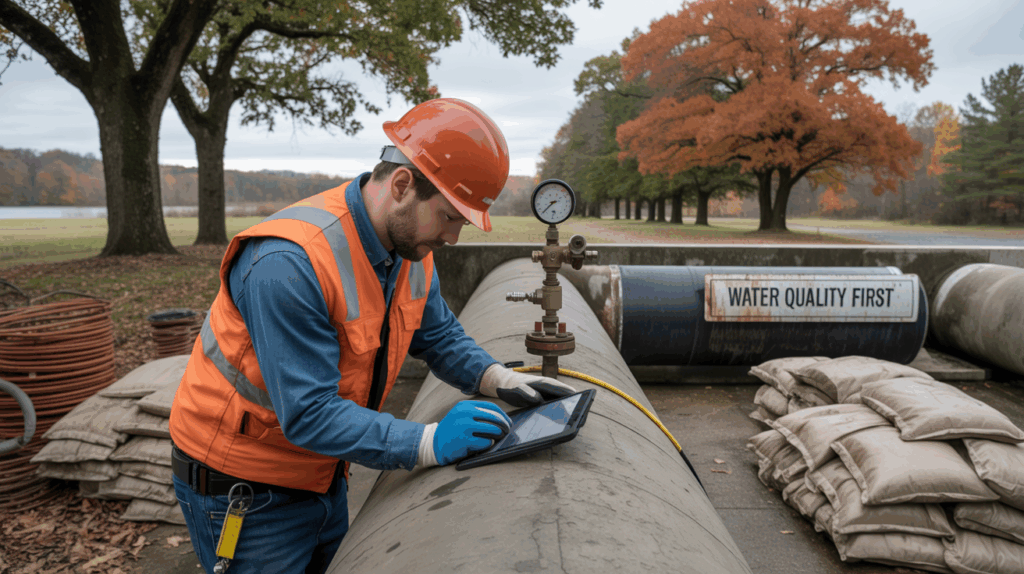
While routine tasks can be managed in-house, many wastewater maintenance activities require specialized knowledge, equipment, and compliance awareness. Partnering with experienced wastewater supply and service professionals ensures your maintenance is thorough, efficient, and meets all regulatory standards.
At Wastewater Supply, we offer comprehensive products and expert support tailored for end-of-summer maintenance and beyond. From pumps and aerators to screening systems and chemicals, our solutions help keep your wastewater operations running smoothly year-round.
Contact Us for Expert Wastewater Maintenance Assistance
August is the ideal time to assess and maintain your wastewater system to prevent issues and prepare for seasonal transitions. If you need assistance with inspection, maintenance, or system upgrades, contact us today. Our team is ready to provide guidance and supply the equipment and parts you need to keep your wastewater management operations efficient and compliant.
Don’t wait for problems to arise — proactive end-of-summer maintenance is key to sustainable wastewater management success.