
As the summer heat fades and the first cool breezes of autumn roll in, September marks an important time for wastewater system owners. While many people think of spring as the season for heavy rain and flooding, early fall can be just as risky—especially in regions where seasonal storms and fluctuating weather patterns can overwhelm drainage systems. For homeowners, businesses, and municipalities, September is a critical month to ensure wastewater and pumping systems are ready to handle potential surges in water flow.
Why September Poses Unique Flooding Risks
Contents
September is a transitional month when weather can change rapidly. In many areas, this is peak hurricane season, and remnants of tropical storms can bring substantial rainfall hundreds of miles inland. Additionally, the soil may still be saturated from late summer rains, meaning even moderate precipitation can lead to localized flooding.
These conditions put wastewater treatment systems, lift stations, and pump stations under added pressure. Without proper preparation and inspection, this can lead to backups, overflows, or costly damage that could have been prevented.
Common Issues That Arise in Early Fall
- Clogged or blocked pumps: Debris from summer storms, fallen leaves, and sediment buildup can restrict water flow and strain pumping equipment.
- Electrical vulnerabilities: Power outages from storms can disrupt system operation, especially if backup systems are not tested and maintained.
- Wear and tear from summer demand: High summer usage can put stress on components, making them more susceptible to failure in the fall.
- Groundwater intrusion: Increased rainfall can cause seepage into wastewater systems, overloading pumps and treatment processes.
The Importance of September System Checks
By scheduling system checks in September, you can address potential vulnerabilities before the heaviest fall rains hit. A thorough inspection should include checking all mechanical and electrical components, verifying backup systems, cleaning and clearing pump intakes, and inspecting for any early signs of wear or damage.
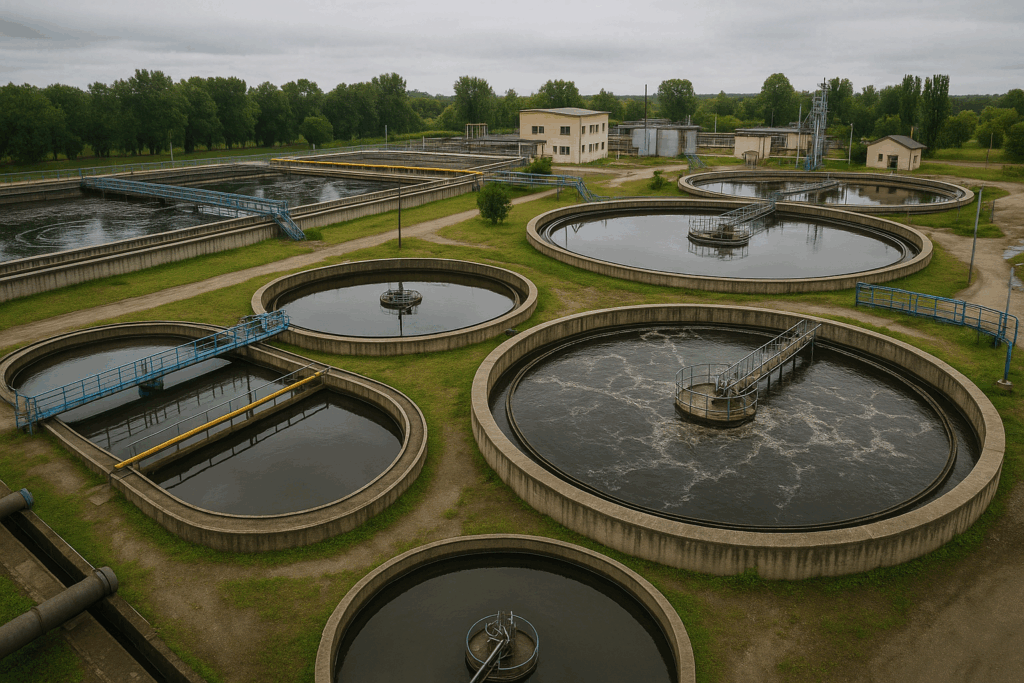
These preventative measures not only reduce the risk of flooding but also extend the life of your wastewater equipment and save money on emergency repairs.
Key Steps to Prepare Your Wastewater System for Fall
- Inspect pumps and motors: Look for unusual vibrations, noises, or decreased efficiency.
- Test backup power sources: Ensure generators and battery systems are operational.
- Clean out wet wells and intake screens: Remove debris and sediment to prevent clogs.
- Check control panels: Verify that alarms and monitoring systems are functioning properly.
- Evaluate drainage paths: Make sure runoff can move freely away from vulnerable areas.
How Professional Service Can Make a Difference
While basic visual checks can be done by system operators, a professional inspection offers a more detailed evaluation. Experienced technicians can spot subtle signs of trouble, perform in-depth component testing, and make repairs on the spot. This ensures that every part of the system is working efficiently and can withstand the demands of heavy rainfall.
Don’t Wait Until It’s Too Late
Fall flooding risks are often underestimated, but for wastewater system owners, they can be a serious concern. The cost and disruption of an emergency repair far outweigh the investment in preventative maintenance. By prioritizing your system check in September, you can rest easy knowing your equipment is ready for whatever the season brings.
Contact us today to schedule your fall system inspection and ensure your wastewater equipment is fully prepared for the months ahead.