
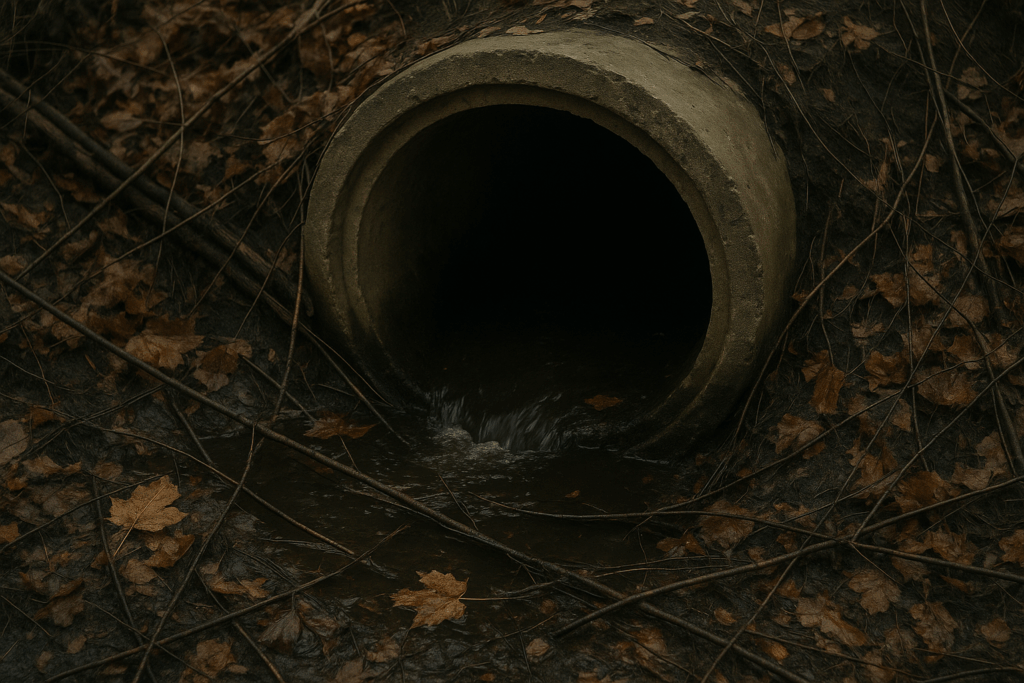
Autumn brings cooler weather, vibrant colors, and a picturesque landscape of falling leaves. While these seasonal changes can be beautiful, they also bring hidden risks to wastewater systems. Leaves that collect in storm drains, lift stations, and pump intakes can cause major clogs, reduce system efficiency, and increase the risk of backups and flooding. For system operators, municipalities, and property owners, knowing how to prevent leaf-related clogs is essential for keeping wastewater systems running smoothly through the fall season.
Why Falling Leaves Are More Than Just a Seasonal Nuisance
Contents
When leaves fall, they don’t just disappear. Rain and wind can quickly carry them into storm drains, culverts, and other parts of a wastewater system. Once wet, leaves break down into a dense, sticky mass that can cling to grates, screens, and pump impellers. Over time, this debris buildup can cause serious operational problems.
In urban and suburban areas with extensive tree cover, leaf accumulation can be particularly heavy during peak fall months. This can lead to a chain reaction of issues—restricted water flow, increased pump strain, and eventual system blockages.
How Leaves Create Clogs in Wastewater Systems
- Drain blockages: Leaves that gather on top of grates or in inlets restrict water from entering the drainage system, causing pooling and localized flooding.
- Pump intake obstructions: As leaves travel downstream, they can get caught in intake screens or pump impellers, slowing flow and increasing wear.
- Increased sediment and organic matter: Decomposing leaves add organic material to the system, which can encourage sediment buildup and create unpleasant odors.
- Strain on equipment: Pumps must work harder to move water through clogged passages, which can lead to overheating or mechanical failure.
Signs That Leaves May Be Affecting Your System
Early detection of leaf-related problems can save time, money, and stress. Watch for these warning signs in the fall:
- Unusual pump noises or vibrations
- Reduced water flow or slower drainage after rainfall
- Frequent clog alarms or system shutdowns
- Visible leaf buildup at grates, inlets, or wet wells
- Standing water in areas that normally drain quickly
Best Practices for Preventing Leaf Clogs
- Routine cleaning of inlets and grates: Remove leaves regularly during peak fall shedding periods.
- Screen and debris basket inspections: Check and clean pump intake screens more frequently in autumn.
- Leaf management around facilities: Keep nearby areas clear of leaf piles to reduce the chance of wind or rain carrying debris into the system.
- Proactive system checks: Schedule professional inspections before and during heavy leaf-fall months.
- Public awareness campaigns: For municipalities, encourage residents to keep storm drains clear in their neighborhoods.

The Role of Professional Maintenance in Leaf Season
While operators can perform basic leaf removal and grate cleaning, professional service providers have the tools and experience to fully inspect and clear wastewater systems. Technicians can:
- Flush lines to remove accumulated debris
- Inspect pump impellers for leaf-related blockages
- Check seals, bearings, and electrical systems for damage caused by increased strain
- Ensure all alarms and monitoring systems are functioning correctly
By addressing potential clogs before they escalate, professional maintenance can extend equipment life, reduce downtime, and help avoid costly emergency repairs.
Stay Ahead of Autumn Clogging Risks
Falling leaves are a natural part of the season, but their impact on wastewater systems can be significant. By taking proactive measures—cleaning grates, inspecting pumps, and scheduling preventative maintenance—you can keep your system running efficiently and avoid costly disruptions.
Contact us today to schedule your fall wastewater system maintenance and protect your equipment from leaf-related damage.