As the seasons shift, October often brings heavier rainfall across much of the United States. For wastewater systems, drainage networks, and pumping equipment, this time of year represents a critical test. When systems are not prepared for peak water flow, the risks of flooding, backups, and costly damage increase dramatically. By understanding the challenges of October rainfall and taking proactive measures, operators and facility managers can help ensure their systems remain clear, efficient, and reliable during peak season.
Why October Rainfall Poses Unique Challenges
Contents
- 1 Why October Rainfall Poses Unique Challenges
- 2 Proactive Maintenance to Keep Systems Clear
- 3 Technology That Improves Rainfall Readiness
- 4 Common Issues Caused by October Storms
- 5 Steps to Prepare Before the Next Rainfall
- 6 Partnering With Experts in Wastewater and Stormwater Systems
- 7 Stay Prepared for October and Beyond
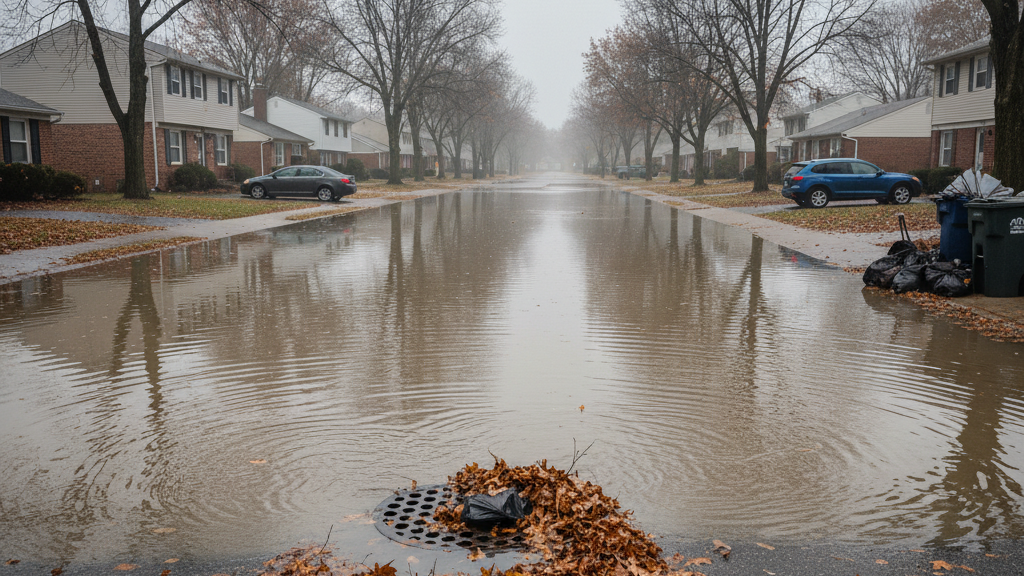
Rainfall in October can be unpredictable and intense. Autumn storms often drop large volumes of water over a short period of time, overwhelming infrastructure that is not properly maintained. Leaves, branches, and other seasonal debris only add to the problem, clogging inlets and blocking water flow. For wastewater and stormwater systems, this combination creates a perfect storm of potential issues.
- High Debris Volume: Falling leaves and organic matter can quickly accumulate in storm drains, creating blockages that restrict water movement.
- Soil Saturation: After months of summer irrigation and early autumn storms, the ground is often less able to absorb additional rainfall, increasing runoff into systems.
- Peak Flow Stress: Stormwater systems face sudden surges in water volume that test pumps, tanks, and piping integrity.
- Increased Flooding Risks: Poorly maintained systems can cause standing water, backups, and property damage when rainfall exceeds design capacity.
For facilities and municipalities alike, the October season serves as a reminder that preparation and preventative maintenance are key to avoiding service interruptions and costly repairs.
Proactive Maintenance to Keep Systems Clear
To manage October’s rainfall risks, wastewater and stormwater systems require regular attention and proactive upkeep. Preventative maintenance not only reduces emergency calls but also extends the lifespan of pumps, pipes, and other critical equipment.
1. Inspect and Clean Pump Stations
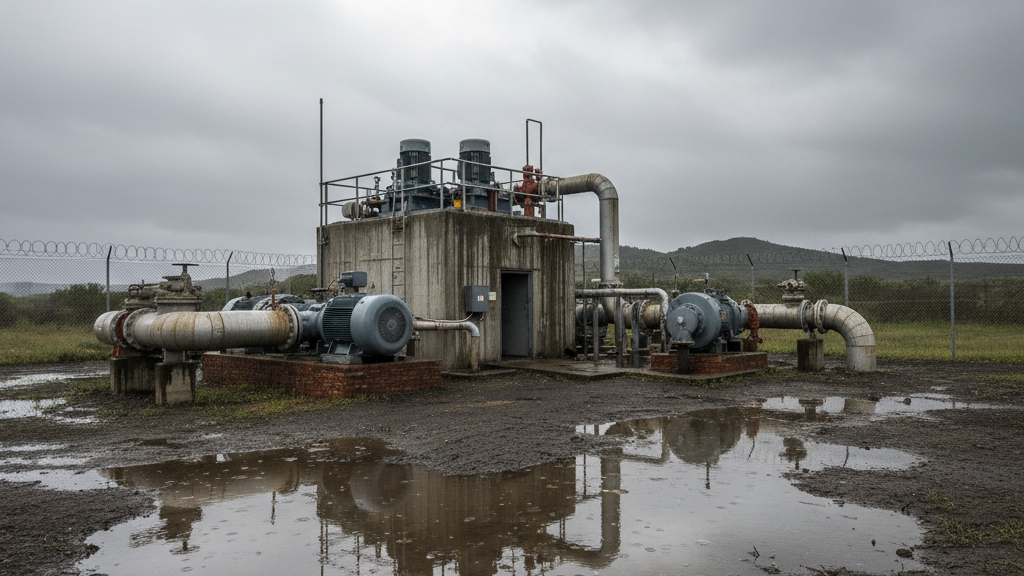
Pump stations work under increased demand during heavy rainfall. Routine inspections of screens, valves, and motors help confirm systems are operating correctly. Clearing debris and ensuring pumps are not obstructed reduces the likelihood of overflow or failure.
2. Clear Stormwater Drains and Basins
Debris accumulation in stormwater drains is one of the leading causes of localized flooding. Seasonal clearing of leaves and sediment allows water to flow freely and prevents backups that can overwhelm surrounding infrastructure.
3. Test Backflow Prevention Systems
During peak storm events, backflow prevention devices protect against contaminated water re-entering clean water supplies. Testing these devices ensures they are fully functional before storm season begins in earnest.
4. Monitor Lift Station Performance
Lift stations are particularly vulnerable during periods of heavy rain. Regular testing of floats, control panels, and pumps ensures systems can handle surges in flow without disruption. Any warning alarms should be addressed promptly to prevent outages.
5. Stock Critical Replacement Parts
Having critical parts such as valves, pumps, and control panels readily available prevents downtime when emergencies occur. During October storms, equipment failures can escalate quickly if replacement components are not on hand.
Technology That Improves Rainfall Readiness
Modern wastewater and stormwater equipment includes features designed specifically to handle heavy rainfall. Facilities equipped with the right technology are better positioned to stay ahead of peak season demands.
- High-Capacity Pumps: Designed to move larger volumes of water efficiently during peak storm events.
- Durable Valves: Engineered to withstand heavy usage and prevent leaks under high-pressure conditions.
- Advanced Monitoring Systems: Automated controls and alarms provide real-time insights, allowing operators to respond quickly to system changes.
By integrating these solutions, operators can reduce the risks associated with October rainfall while ensuring compliance with environmental and safety standards.
Common Issues Caused by October Storms
Facilities that fail to prepare for October’s weather may experience a range of operational issues. These often include:
- Clogged Lines: Leaves, dirt, and debris create blockages that slow or stop system performance.
- Pump Overload: Prolonged storms place continuous strain on pumps, leading to overheating and mechanical failure.
- Electrical Failures: Excess water exposure or insufficient waterproofing can damage electrical panels.
- Contamination Risks: Overflows increase the chance of untreated water entering public spaces or water supplies.
Recognizing these risks makes it easier to implement strategies that prevent them from happening in the first place.
Steps to Prepare Before the Next Rainfall
Taking action before October storms arrive is the most effective way to protect systems and communities. A well-organized preparation plan includes:
- Schedule Seasonal Inspections: Inspecting pumps, valves, and drains in late summer or early fall identifies potential problems before peak season begins.
- Establish a Maintenance Log: Documenting inspections and repairs helps track recurring issues and ensures accountability.
- Train Staff for Emergencies: Teams should be familiar with system operations and emergency procedures to act quickly if issues arise.
- Secure Backup Power: Generators or backup systems keep pumps running during outages caused by storms.
By implementing these steps, facilities significantly reduce the risk of costly failures during October rainfall events.
Partnering With Experts in Wastewater and Stormwater Systems
While regular in-house maintenance is essential, partnering with experts in wastewater and stormwater equipment provides additional security. Professional teams can offer specialized services such as pump repair, valve replacement, and system upgrades to ensure peak performance during October’s demanding conditions.
Stay Prepared for October and Beyond
October’s rainfall can test even the strongest wastewater and stormwater systems. By staying proactive with inspections, maintenance, and the right equipment, facilities can avoid many of the problems that come with peak season storms. Preparation today means fewer disruptions tomorrow and a more reliable system throughout the year.
Contact us to learn how Wastewater Supply can help you keep your systems clear, efficient, and ready for the challenges of October rainfall.