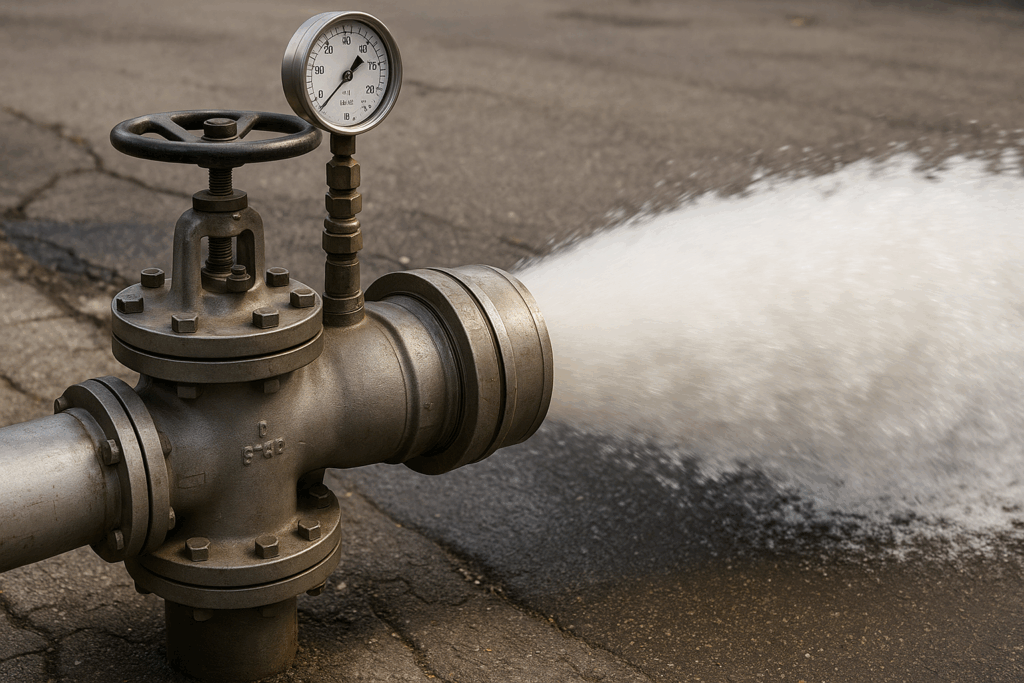
As summer winds down, wastewater systems often face the lingering effects of months of heavy use. Higher water demand from irrigation, cooling systems, tourism, and seasonal activities can place significant strain on pumps, treatment equipment, and infrastructure. That’s why the end of summer is an ideal time for flow testing—a critical preventative maintenance step that can identify hidden issues before they become costly emergencies in the fall.
Why Flow Testing Matters
Contents
Flow testing is the process of measuring the volume and rate of water moving through a wastewater system. This data helps operators confirm that pumps, valves, and pipelines are performing within their intended specifications. By establishing accurate flow measurements, you can detect inefficiencies, pinpoint blockages, and assess the overall health of your system.
When done at the end of summer, flow testing provides valuable insight into how well your equipment handled the season’s demands and whether any adjustments or repairs are needed before the wetter months ahead.
Challenges Wastewater Systems Face After Summer
- High wear on pumps and motors: Extended operation at or near capacity during hot months can accelerate equipment fatigue.
- Sediment buildup: Warm weather can increase algae growth and introduce organic matter, which settles and reduces flow capacity.
- Unnoticed small leaks: Minor leaks can go undetected during peak usage but cause long-term damage if not addressed.
- Variable flow patterns: Irrigation schedules and seasonal demand can create uneven strain on system components.
Key Benefits of End-of-Summer Flow Testing
- Early problem detection: Identifies partial blockages, pump inefficiencies, or damaged components before they fail completely.
- Improved system reliability: Ensures pumps and valves are functioning correctly before heavy rainfall and potential flooding in the fall.
- Energy savings: Properly calibrated and maintained systems use less energy, reducing operational costs.
- Extended equipment lifespan: Timely maintenance based on flow test results helps avoid unnecessary wear and tear.
- Regulatory compliance: Many municipalities require periodic flow testing to verify system performance.
How Flow Testing Works
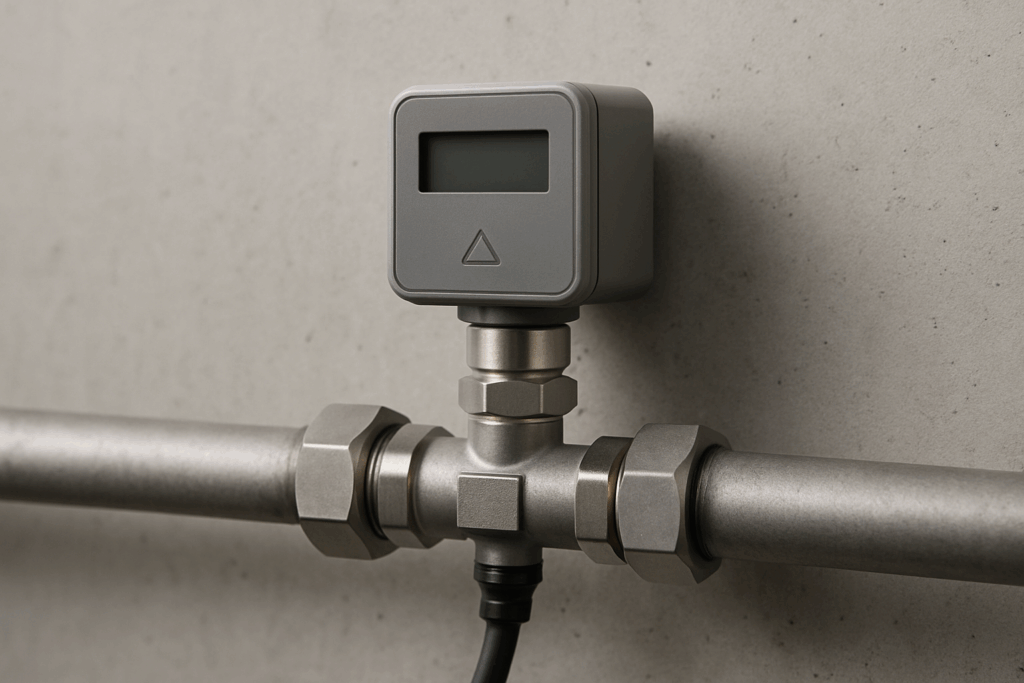
Professional flow testing involves specialized equipment to measure both volume and velocity under normal and peak conditions. Technicians may use portable flow meters, inline sensors, or other diagnostic tools to collect accurate data. The process typically includes:
- Recording baseline flow rates
- Comparing current performance to historical data
- Testing pumps and valves at different operating levels
- Inspecting for leaks or pressure drops
- Documenting results for maintenance planning
Why Timing Is Important
Conducting flow testing at the end of summer offers several timing advantages:
- It captures the impact of peak seasonal use while issues are still fresh.
- It provides enough lead time for repairs before fall weather brings heavier rain and runoff.
- It ensures your system is ready for increased water flow during storm season.
Waiting until a problem becomes obvious—such as a backup, overflow, or equipment failure—can result in costly emergency repairs and downtime. Proactive testing in late summer minimizes these risks.
Partnering with Professionals for Accurate Testing
While some basic flow checks can be done in-house, accurate end-of-summer flow testing requires the expertise and tools of trained technicians. Professionals can:
- Calibrate flow meters for precise readings
- Analyze performance trends over time
- Identify early-stage mechanical or electrical issues
- Provide actionable recommendations for preventative maintenance
Having this detailed information in hand allows you to make informed decisions about repairs, replacements, and system upgrades.
Prepare Your System for the Months Ahead
The transition from summer to fall is a critical period for wastewater systems. By scheduling an end-of-summer flow test, you can ensure your equipment is running at peak performance, prevent unexpected downtime, and avoid costly emergencies during the storm season.
Contact us today to schedule your end-of-summer flow testing and keep your wastewater system operating efficiently year-round.