As temperatures drop in December, the risk of frozen wastewater system components increases—especially for homes, businesses, and facilities in colder climates. Frozen lines, blocked drains, or cracked pipes can quickly become costly and disruptive. Fortunately, with proper winter maintenance, these problems can be prevented.
At Wastewater Supply, we help clients prepare their wastewater systems for seasonal changes. Whether you’re managing a residential septic setup or a complex commercial wastewater treatment system, taking preventive action before freezing temperatures arrive is key to avoiding downtime and repairs.
Why Frozen Wastewater Lines Are a Serious Issue
Contents
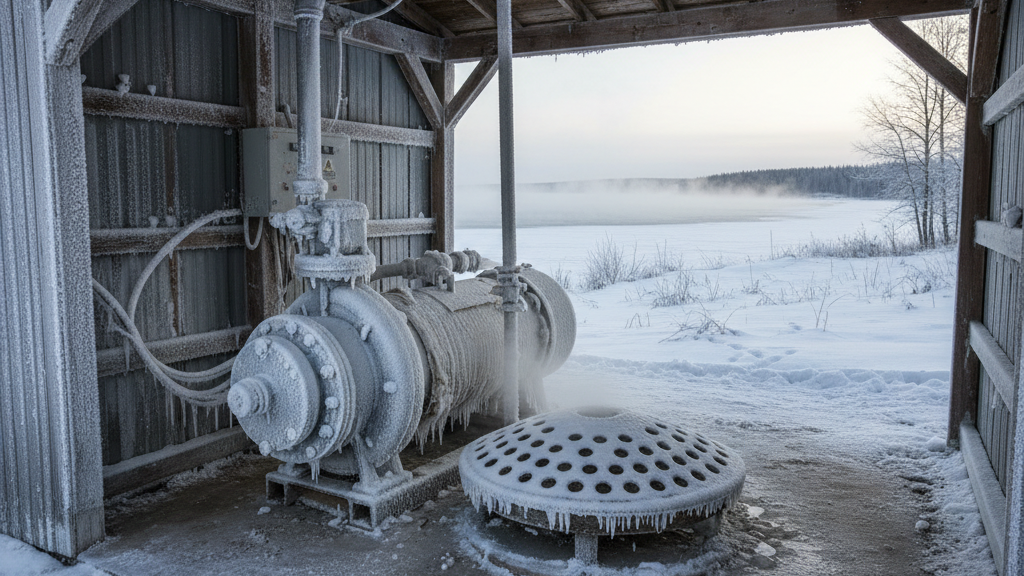
When temperatures drop below freezing, water and waste in improperly insulated or inactive lines can freeze. As water freezes, it expands—causing pipes to crack or burst. In wastewater systems, this can lead to:
- System backups or complete stoppages
- Cracked or broken PVC and ABS piping
- Septic tank inlet or outlet blockage
- Frozen pumps, floats, or control systems
Repairs in winter are often more difficult and expensive due to frozen ground and limited access. That’s why preparation in December is so important.
Top Winter Wastewater Maintenance Tips
Here’s how to protect your wastewater system from freezing and ensure uninterrupted service throughout the winter months.
1. Insulate Exposed Pipes
Check for any above-ground or shallow-buried pipes that may be exposed to freezing air. Use foam insulation sleeves, heat tape, or custom wrapping to help retain warmth and prevent freezing.
- Focus on pipes entering or exiting buildings
- Insulate risers and cleanout ports as well
- Ensure all insulation is weather-rated and securely installed
2. Keep the System in Regular Use
Wastewater systems that sit idle are more likely to freeze. If you’re managing a seasonal property or vacation home, consider:
- Flushing the system weekly to keep water moving
- Running water through infrequently used drains periodically
- Adding RV antifreeze to toilet bowls or traps in rarely used bathrooms
Continued water flow helps prevent ice from forming inside lines and traps.
3. Inspect and Maintain Tank Components
If your system includes a septic tank or lift station, December is the time to inspect and service key components:
- Check pump operation and control floats
- Test alarm systems and backup power if applicable
- Clear debris around lids and risers to maintain airflow and access
Any damaged or non-functioning parts should be repaired or replaced before the coldest months set in.
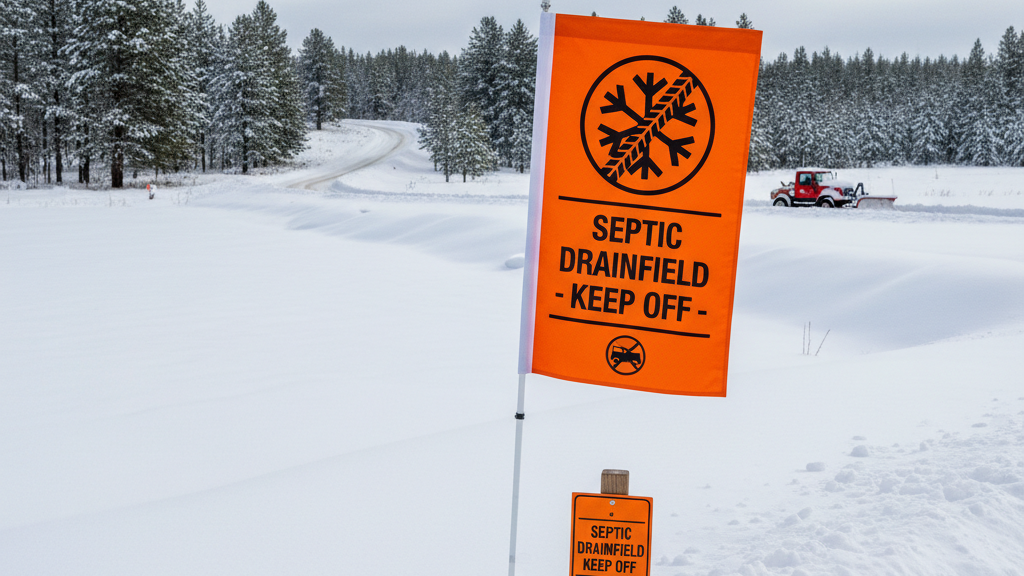
4. Avoid Compaction Over System Lines
Driving over or placing heavy loads on drain fields, tanks, or buried lines can compact the soil, reduce insulation, and lead to frozen sections. Keep vehicles and equipment off these areas during winter.
- Mark drain field zones clearly with flags or signs
- Avoid snowplowing or piling snow on top of tanks or risers
Proper ground coverage helps maintain consistent soil temperature and protects piping below.
5. Add Mulch or Cover to Shallow System Components
For extra insulation, apply 8–12 inches of mulch, straw, or leaves over shallow tanks or lines. This is especially helpful for systems installed in colder regions or shallow soils.
- Focus on known cold spots or high-risk areas
- Avoid blocking vents or access lids when applying cover
Organic material acts as natural insulation, holding warmth in the ground.
6. Monitor for Early Warning Signs
Even with winterization, it’s important to monitor your wastewater system throughout December and beyond. Watch for:
- Slow drainage or gurgling sounds in pipes
- Water backing up into sinks or toilets
- Wet spots, icy patches, or odors near drain fields or tanks
These are early indicators of frozen or blocked lines and should be addressed immediately to prevent damage.
Special Considerations for Commercial & Municipal Systems
Commercial and municipal wastewater systems face unique challenges in winter, especially when managing larger flow rates or system complexity. Preventive measures may include:
- Thermal monitoring of above-ground tanks or systems
- Heated enclosures for pumps and control panels
- Backup power checks for automated systems
- Flow rate monitoring to prevent ice buildup in gravity-fed lines
Regular inspections and service in December ensure reliable operation throughout the season.
Schedule Your Winter Wastewater System Service
Protecting your wastewater system from cold weather begins with proactive planning. Whether you’re preparing a residential septic system or a large-scale commercial treatment setup, our expert team is here to help you winterize effectively.
Contact us today to schedule your winter service appointment or request support with system inspections, part replacements, or cold-weather troubleshooting.
Keep Your System Running All Winter Long
Don’t let frozen lines or unexpected backups disrupt your home or business. With proper maintenance and timely action, you can ensure safe, efficient operation of your wastewater system through every month of winter.
Contact us now to prepare your system for freezing temperatures and avoid costly winter breakdowns.