Winter temperatures can wreak havoc on wastewater systems, especially when freezing conditions cause pipelines to seize up. A frozen wastewater line is not just an inconvenience—it can quickly escalate into a costly emergency, risking pipe bursts, backups, and environmental violations. Understanding how to safely and legally thaw frozen lines is essential for keeping your system operational during the coldest months.
At Waste Water Supply, we know how critical it is to respond quickly and correctly when a frozen line emergency strikes. This guide will walk you through the proper procedures for identifying, thawing, and preventing frozen wastewater pipes—while staying compliant with local regulations and environmental safety standards.
What Causes Wastewater Lines to Freeze?
Contents
Frozen lines are most commonly caused by a combination of the following factors:
- Prolonged exposure to sub-freezing temperatures
- Lack of insulation or heat tracing on exposed pipes
- Standing water or slow-moving flow in low-use systems
- Improper slope or drainage issues in buried piping
Even properly installed systems can freeze during extreme cold, especially in areas where winterization measures have not been maintained or updated.
Signs Your Wastewater Line May Be Frozen
Identifying the problem early can help you act before major damage occurs. Common signs of a frozen wastewater line include:
- No flow from pumps or reduced discharge volume
- Unusual noises or vibration in the line
- Overflow or backup at lift stations or cleanouts
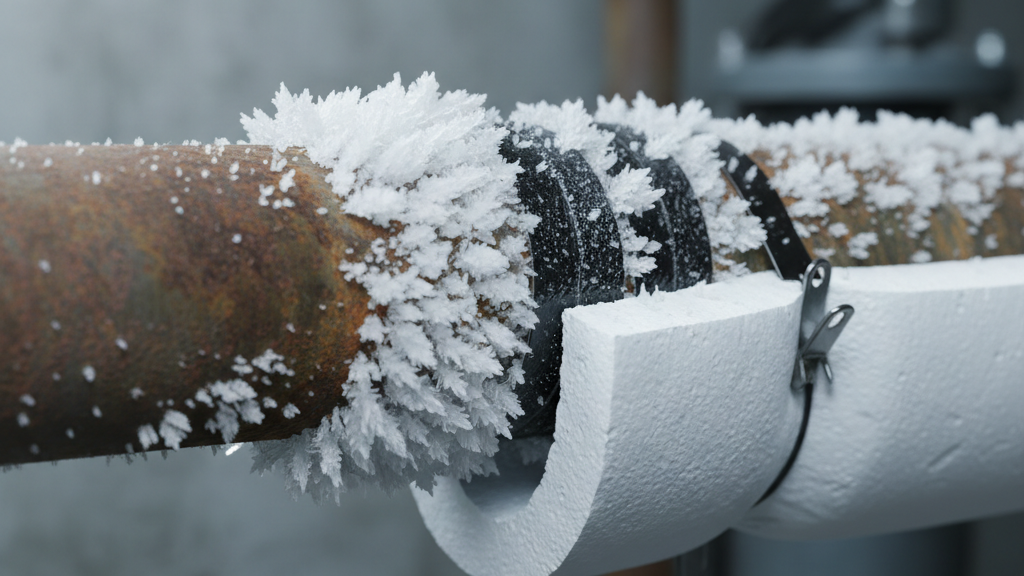
- Frost or ice forming around exposed piping
If you notice any of these symptoms, it’s important to shut down the system if necessary and begin diagnosis right away.
Step-by-Step: How to Thaw Frozen Wastewater Lines Safely
Follow these steps to address a frozen line emergency while minimizing the risk of damage or non-compliance:
1. Locate the Frozen Section
- Use temperature sensors, infrared cameras, or manual inspection to identify where the line has frozen.
- Start by checking areas most exposed to cold—such as surface piping, risers, or poorly insulated sections.
2. Shut Down the System if Necessary
- To prevent pressure buildup or pipe rupture, pause system operations until the freeze is resolved.
- Use bypass options if available to redirect flow.
3. Apply Safe Thawing Techniques
Choose a method based on the line material, accessibility, and environmental impact:
- Electric Heat Tape: Ideal for accessible above-ground pipes. Apply only UL-listed products and follow manufacturer instructions.
- Warm Air Blowers: Useful for confined spaces or insulated enclosures. Ensure good ventilation to avoid moisture buildup.
- Hot Water Circulation: For larger lines, recirculating warm water may be an option—but requires containment and disposal of thaw water in accordance with local laws.
- Steam Thawing: Effective for municipal and industrial systems, but must be performed by trained professionals to prevent pipe damage.
4. NEVER Use Open Flames or Unapproved Heaters
- Open flame torches and unregulated heating devices pose significant fire, health, and system integrity risks.
- These methods are illegal in most jurisdictions and may void insurance coverage or lead to code violations.
5. Inspect for Damage After Thawing
- Once flow is restored, monitor the line for leaks, weakened pipe sections, or improper drainage.
- Run the system under observation to ensure normal pressure and flow conditions are maintained.
Compliance Matters: Legal Considerations When Thawing Lines
Responding to a frozen line emergency must be done in a way that complies with local plumbing codes, environmental regulations, and occupational safety standards. Legal considerations include:
- Discharge Control: Ensure any thaw water, especially if contaminated, is handled and disposed of properly.
- Equipment Use: Only use approved devices for thawing wastewater pipes.
- Permit Requirements: Some thawing activities may require temporary permits or utility coordination.
- Documentation: Keep a record of any incidents and response measures for regulatory or insurance purposes.
If you’re unsure about what is legally permitted in your area, it’s best to consult wastewater professionals who are familiar with compliance in your jurisdiction.
Preventing Frozen Lines in the Future
Prevention is always better than emergency response. Reduce the likelihood of frozen wastewater pipes by taking the following steps:
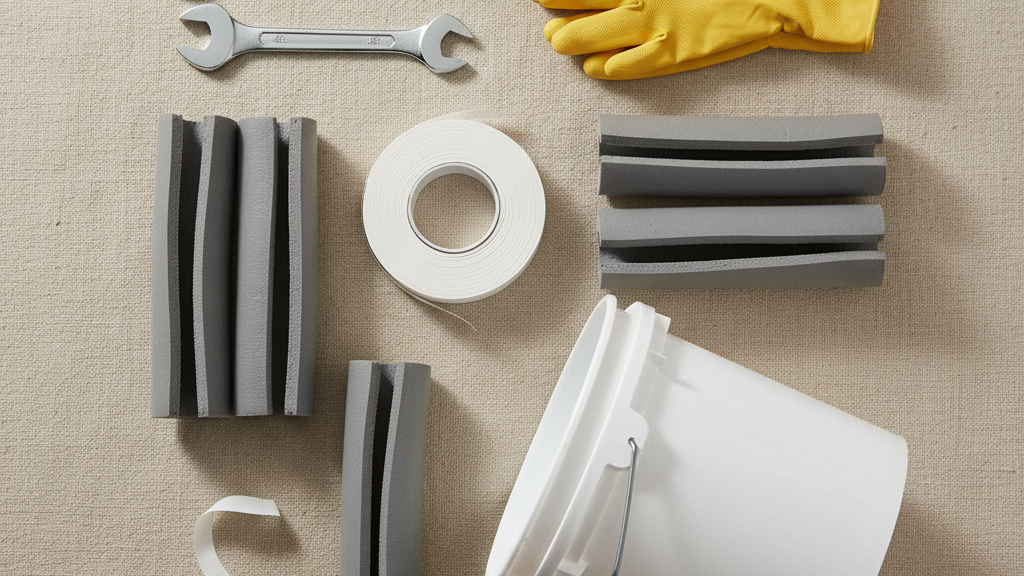
- Install proper insulation and heat trace systems on all vulnerable piping
- Perform regular cold-weather inspections and maintenance
- Ensure slope and drainage are adequate to prevent stagnant water
- Keep pump stations and enclosures sealed and heated if needed
A well-maintained system is far less likely to experience freeze-related failures, even during extreme winter weather.
Emergency Frozen Line Support
If you’re currently dealing with a frozen wastewater line or suspect your system may be at risk, don’t wait for the problem to get worse. Acting quickly and correctly can save thousands in repairs and prevent serious system downtime.
At Waste Water Supply, we offer emergency support and technical guidance to help you respond to frozen line issues safely, effectively, and within legal guidelines. Whether you need thawing equipment, replacement parts, or a professional on-site assessment, we’re here to help.
Contact us now for immediate assistance with frozen lines or to schedule preventive service for your wastewater system.