As temperatures drop, your wastewater system faces new stress—from freezing components and reduced biological activity to higher chances of mechanical failure. Ignoring early signs of system trouble before winter fully sets in can result in frozen lines, backups, or costly emergency repairs.
At Waste Water Supply, we recommend a proactive approach. Recognizing signs of trouble early gives you time to schedule professional inspection and maintenance—before problems turn into winter breakdowns. Here are the most important signs to watch for and when it’s time to call in an expert.
1. Unusual Odors Indoors or Outdoors
Contents
- 1 1. Unusual Odors Indoors or Outdoors
- 2 2. Gurgling or Slow Drains
- 3 3. Alarms Going Off or Electrical Issues
- 4 4. Standing Water or Ice Around Tank and Drain field
- 5 5. Frequent Pump Cycling or Inconsistent System Operation
- 6 6. Septic System Backups or Bubbling Toilets
- 7 7. No Recent Maintenance History
- 8 Why Early Intervention Matters
- 9 Schedule a Winter System Check Today
If you start to smell sewage, musty air, or strong chemical odors around drains, septic areas, or lift stations, it’s often the first red flag of a system issue. During cold weather, odor issues may result from:
- Blocked or frozen vent pipes
- Clogged filters or tank inlets
- Bacteria slowdown in cold temperatures
When to call: If odors persist or worsen, contact a professional immediately to prevent a backup or overfilled tank situation.
2. Gurgling or Slow Drains
Gurgling sounds in your plumbing or slow-draining sinks and toilets often point to a partial blockage or ventilation issue. In cold months, these issues can be caused by ice forming in vent lines or system components not functioning correctly.
- Watch for slow drains in multiple fixtures
- Listen for bubbling or gurgling after flushing
- Be alert to any return of water or odor from floor drains
When to call: At the first sign of multi-drain slowdowns, especially if paired with cold weather, call a wastewater system technician for inspection.
3. Alarms Going Off or Electrical Issues
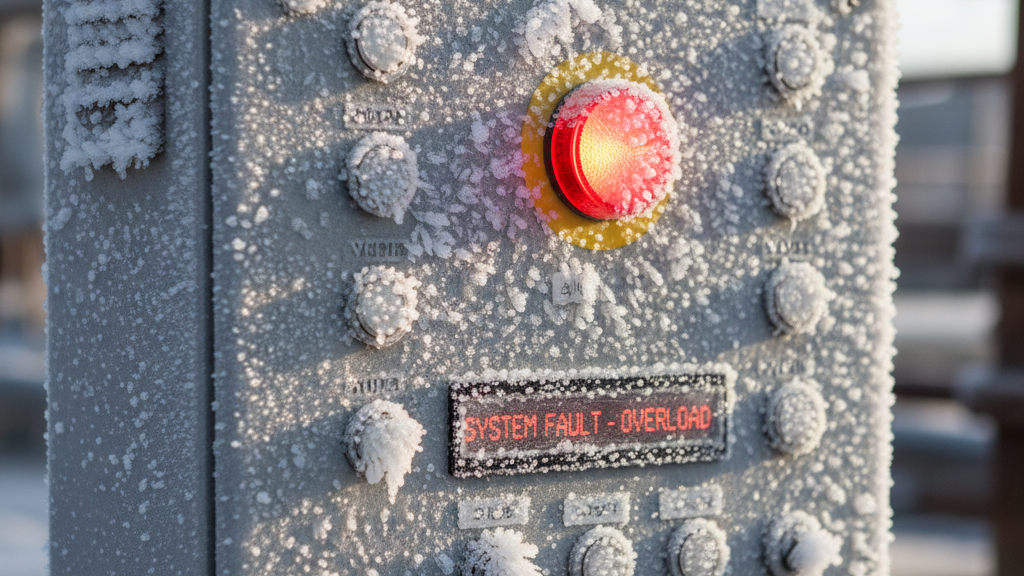
Modern septic and treatment systems often include alarms, control panels, and float switches. If your alarm is sounding, blinking, or going off randomly, it may be due to:
- Frozen or failing float switches
- Electrical moisture intrusion from freeze/thaw cycles
- Pump failure or power interruptions
When to call: Don’t ignore system alarms. Even if they stop on their own, have a professional check the system to ensure components are still operating safely.
4. Standing Water or Ice Around Tank and Drain field
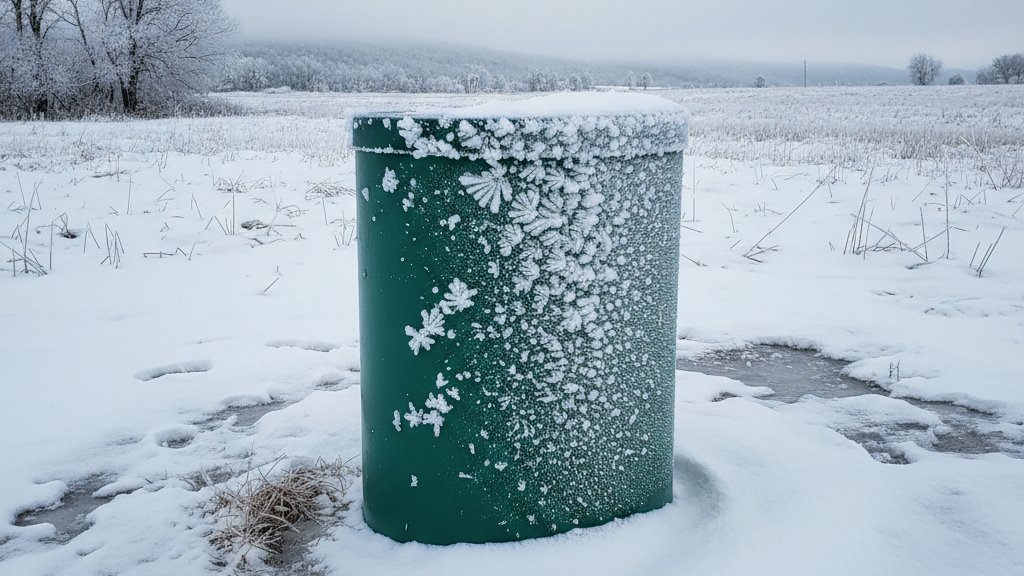
Visible water or frozen patches near your septic tank, riser, or drain field may indicate a leak, system overflow, or improper insulation. These signs become especially urgent when temperatures fall below freezing.
- Watch for soft, spongy ground even in dry weather
- Look for ice formation around tank lids or risers
- Check for visible seepage near drain field pipes
When to call: Standing water or ice near any system component in winter should be addressed immediately. This can be an early sign of blockage or system failure.
5. Frequent Pump Cycling or Inconsistent System Operation
Wastewater pumps should operate in a consistent cycle. If you hear them turning on and off too often—or not at all—it may be a sign of inefficiency, blockage, or mechanical malfunction worsened by cold weather.
- Excessive cycling can burn out your pump
- Infrequent operation could indicate frozen lines or clogged intake
When to call: Any unexpected pump behavior should be inspected, especially if accompanied by cold temperatures or power fluctuations.
6. Septic System Backups or Bubbling Toilets
Winter backups are particularly hazardous because they’re more difficult to resolve due to frozen soil and limited system access. Bubbling in toilets or water backing up into sinks or tubs indicates system overload or failure.
- Backup risk increases if drain field is frozen or saturated
- Undetected tank overfilling can cause major damage in winter
When to call: If wastewater backs up anywhere inside your property, stop system use immediately and contact a professional for emergency service.
7. No Recent Maintenance History
If your system hasn’t been inspected or pumped in over a year, it’s more vulnerable to winter failures. Cold temperatures put stress on aging parts, slow biological processing, and create conditions for freezing in neglected areas.
When to call: If you’re unsure when your last maintenance occurred, now is the time to schedule a system inspection before freezing weather deepens.
Why Early Intervention Matters
Winter conditions limit access, slow down repairs, and increase the risk of lasting damage to wastewater systems. By acting on warning signs early, you can:
- Prevent freezing in vulnerable lines or components
- Maintain treatment efficiency and protect groundwater
- Avoid expensive mid-winter emergency repairs
Professional intervention in early winter is faster, easier, and more cost-effective than mid-season crisis response.
Schedule a Winter System Check Today
Don’t wait until temperatures drop further or your system stops working. If you notice any of the warning signs above—or just want peace of mind—our experienced team is ready to help.
Contact us today to schedule a winter system check, troubleshoot a concern, or request preventive maintenance. At Waste Water Supply, we’re committed to keeping your system running smoothly all season long.