WasterWater

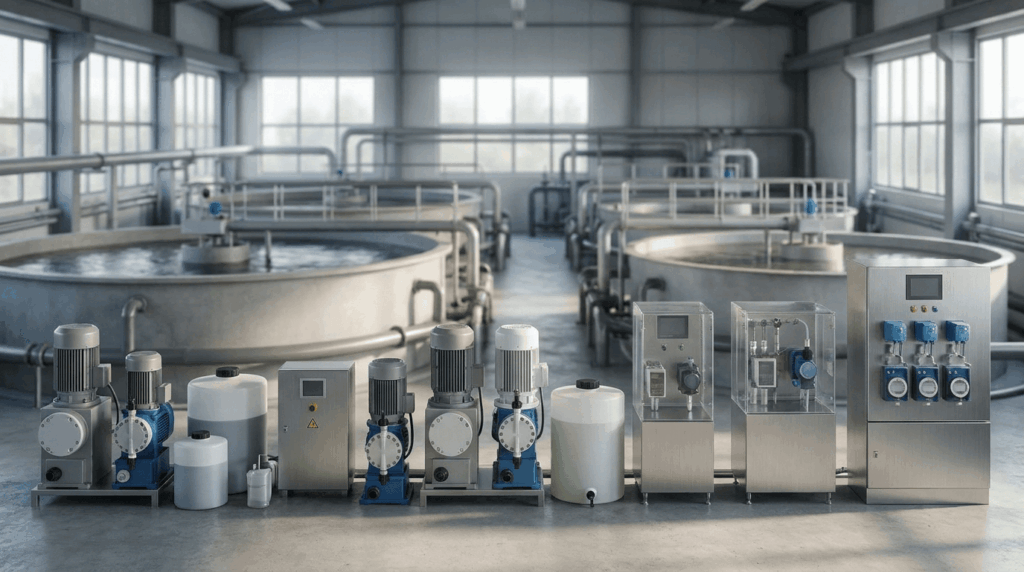
how do you choose the right chemical feed system for a wastewater

How to Choose the Right Chemical Feed System: 7-Step Guide 2026

Selecting the appropriate chemical feed system for a wastewater treatment plant ensures regulatory compliance, optimizes treatment effectiveness, and controls operating expenses. This comprehensive guide walks you through the process of evaluating dosing requirements, selecting pumps, and designing reliable automated chemical feeding systems. Completion time: 2-4 weeks for analysis and specification. Skill level: Intermediate to advanced […]

How to Choose the Right Chemical Feed System: 7-Step Guide 2026 Read More »

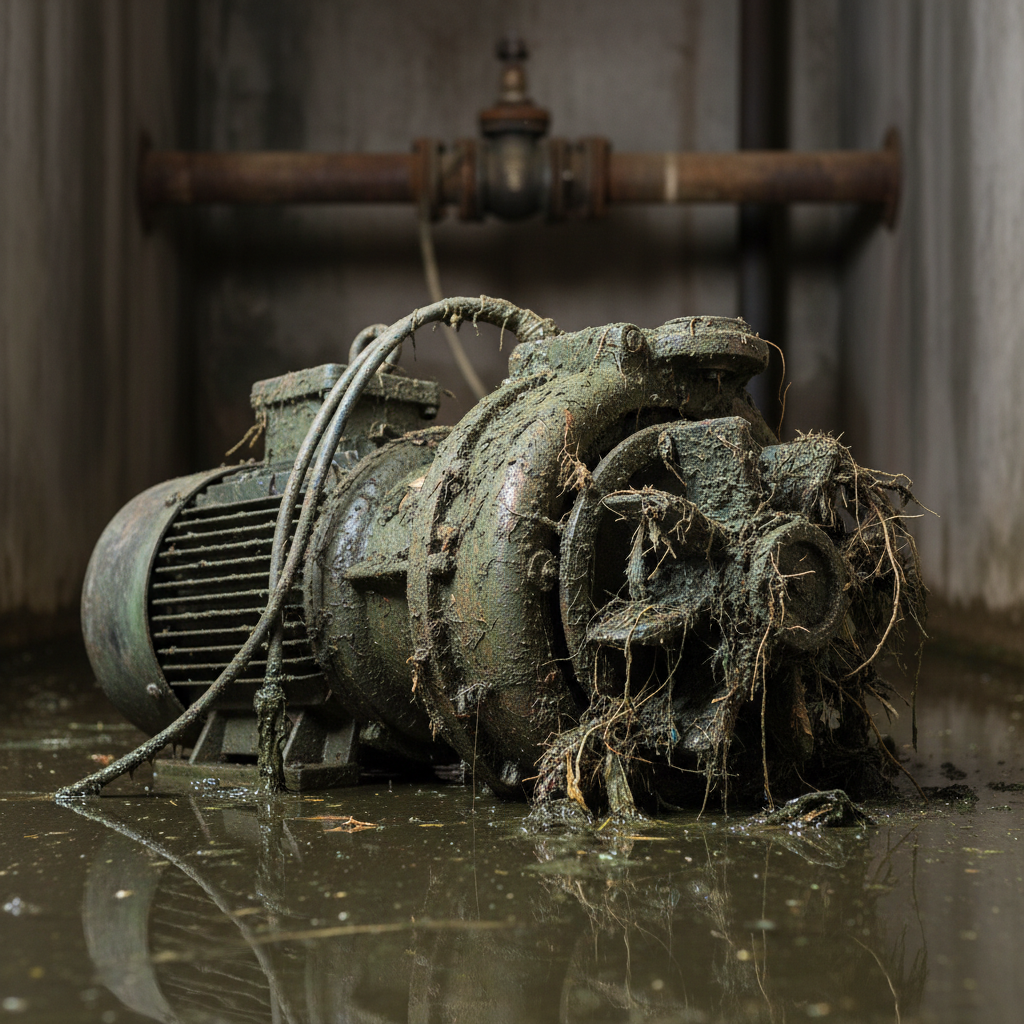
common causes of wastewater pump failure, wastewater pump, sewage pump, submersible pump, centrifugal pump, and impeller

Common Causes of Wastewater Pump Failure: Understanding Sewage Pump Malfunction and Preventing Costly Breakdowns

Throughout my years working with municipal and industrial wastewater systems, I’ve witnessed countless pump failures that could have been prevented with proper knowledge and maintenance. Understanding common causes of wastewater pump failure represents the first critical step toward ensuring system reliability and avoiding expensive emergency repairs. These failures don’t just result in financial losses; they

Common Causes of Wastewater Pump Failure: Understanding Sewage Pump Malfunction and Preventing Costly Breakdowns Read More »

Wastewater treatment equipment inspection & maintenance schedule. Pumps, tanks, filters.

How to Establish Wastewater Treatment Equipment Inspection Schedules: 5-Step Guide 2025

Proper inspection and servicing of wastewater treatment equipment ensures regulatory compliance, operational reliability, and equipment longevity. According to EPA guidelines (2024), systematic preventive maintenance reduces equipment failure rates by 35-50% and extends service life by 20-40%. Before You Begin Before you begin checklist. Prep, plan, steps, preparation, guide. Skill Level: Intermediate to Advanced (Facility Manager or

How to Establish Wastewater Treatment Equipment Inspection Schedules: 5-Step Guide 2025 Read More »

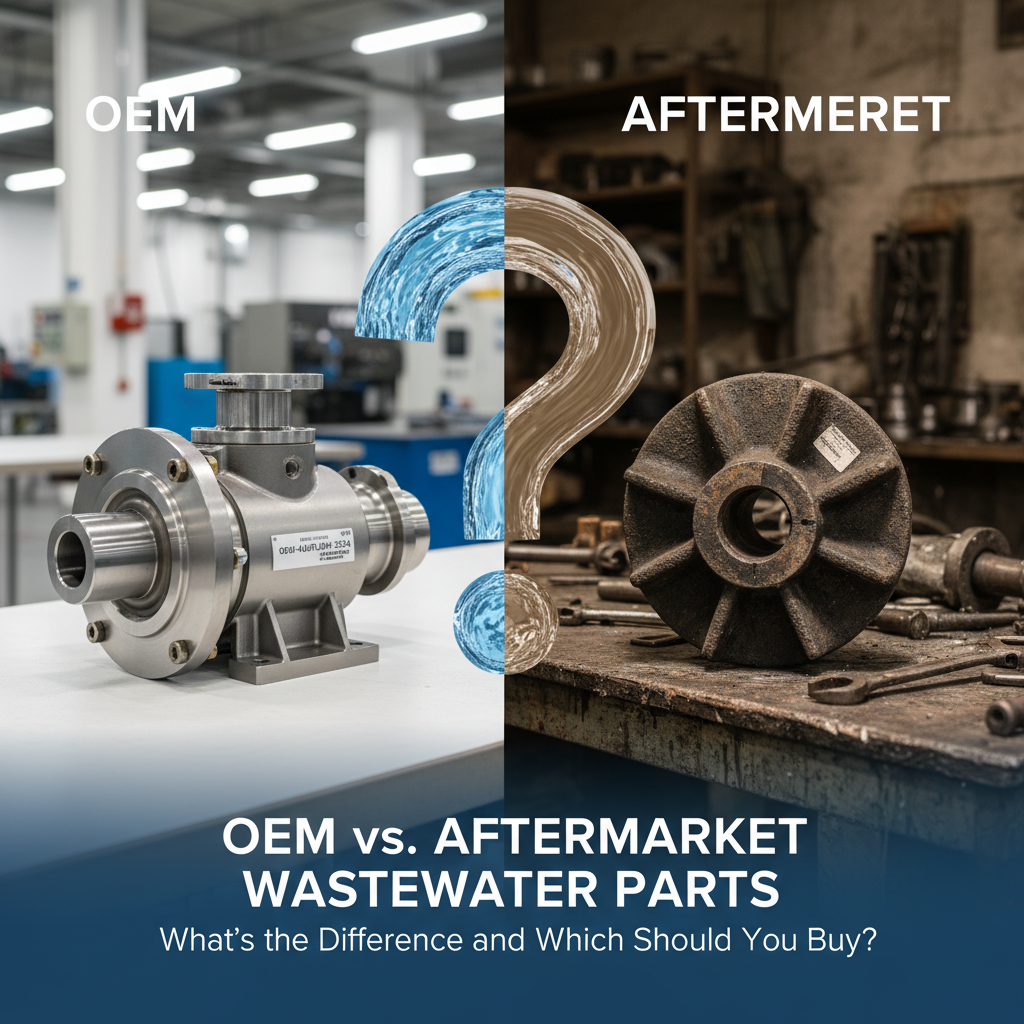
OEM vs Aftermarket wastewater parts: comparing replacement components, cost, & quality.

OEM vs. Aftermarket Wastewater Parts: Which Should You Buy in 2025?

OEM (Original Equipment Manufacturer) wastewater parts are components produced by the original equipment manufacturer, whereas aftermarket parts are third-party manufacturers’ replacement components made to fit existing equipment. OEM parts typically cost 30-50% more than aftermarket alternatives but include manufacturer warranties and guaranteed compatibility. Aftermarket parts offer cost savings ranging from 25-60% and faster availability but may

OEM vs. Aftermarket Wastewater Parts: Which Should You Buy in 2025? Read More »

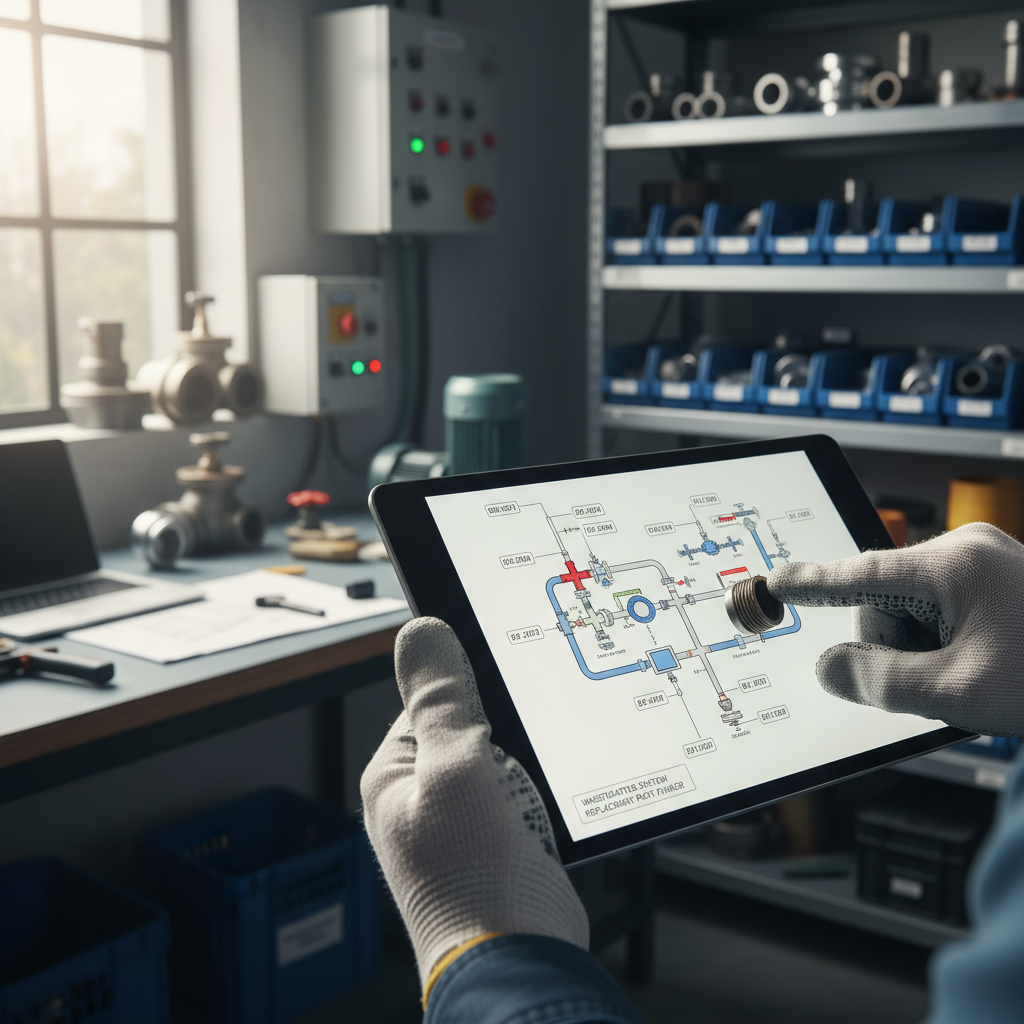
Wastewater system repair: Finding replacement parts. Pump, valve, pipe ID.

How to Find the Right Replacement Part for Your Wastewater System: 7-Step Guide 2025

Finding the right replacement part for your wastewater system ensures proper function, regulatory compliance, and cost-effective repairs. This guide walks you through identifying failed components, verifying compatibility, and sourcing quality parts in 30-60 minutes. Beginner-friendly with no specialized knowledge required. Before You Begin: Prerequisites and Safety Required Items: Owner’s manual or system documentation Smartphone camera

How to Find the Right Replacement Part for Your Wastewater System: 7-Step Guide 2025 Read More »

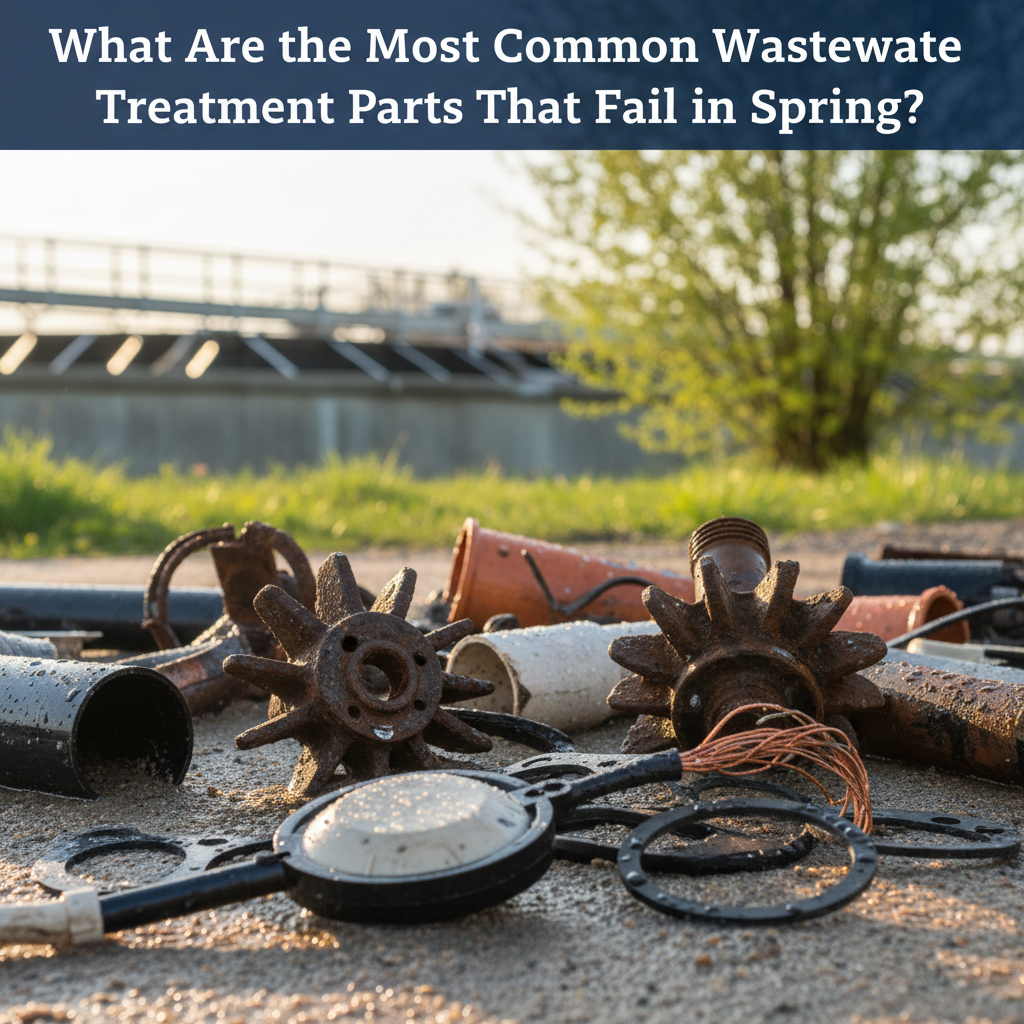
Wastewater treatment parts failing in spring: pipes, pumps, filters, screens, tanks

What Are the Most Common Wastewater Treatment Parts That Fail in Spring? Understanding Seasonal Equipment Breakdown Patterns

The most common wastewater treatment parts that fail in spring are pump systems (specifically seals and bearings), aeration equipment (diffusers and blowers), valves exposed to freeze-thaw cycles, mechanical seals in rotating equipment, control panels and SCADA systems affected by moisture infiltration, and clarifier mechanisms subjected to thermal stress. According to the Environmental Protection Agency (EPA),

What Are the Most Common Wastewater Treatment Parts That Fail in Spring? Understanding Seasonal Equipment Breakdown Patterns Read More »

waste water system upgrades

Is Investing in Wastewater System Upgrades Worth It in 2026? Cost, Benefits & Verdict

Investing in wastewater system upgrades is worth it in 2026 for municipalities with infrastructure older than 30 years or facing regulatory compliance issues. According to the American Society of Civil Engineers (ASCE, 2023), deferred maintenance on aging infrastructure creates costs 3-5 times higher than proactive upgrades when catastrophic failures occur. The financial benefits of wastewater

Is Investing in Wastewater System Upgrades Worth It in 2026? Cost, Benefits & Verdict Read More »

How to Prevent Wastewater System Failures in January: 6-Step Winter Check-Up Guide 2025

January represents the highest risk period for cold weather wastewater equipment protection strategies, with subfreezing temperatures and freeze-thaw cycles causing millions in damage annually to municipal water authority infrastructure. This preventive maintenance program takes 4-8 hours to complete and requires intermediate technical skill level. According to the Environmental Protection Agency (EPA, 2024), properly executed winter

How to Prevent Wastewater System Failures in January: 6-Step Winter Check-Up Guide 2025 Read More »

Comparison of neglected wastewater system pipes versus upgraded modern infrastructure

The Long-Term Cost of Neglect: Investing in Waste Water System Upgrades in 2026

As infrastructure continues to age and regulatory requirements become more stringent, wastewater systems across the country face increased pressure to perform reliably, efficiently, and in compliance. In 2026, investing in system upgrades is no longer a luxury—it’s a necessity. Ignoring aging or underperforming wastewater components can lead to more than just operational issues; it often

The Long-Term Cost of Neglect: Investing in Waste Water System Upgrades in 2026 Read More »

heat application on frozen pipe

Frozen Line Emergency: Step-by-Step Guide for Thawing Pipes Safely and Legally

Winter temperatures can wreak havoc on wastewater systems, especially when freezing conditions cause pipelines to seize up. A frozen wastewater line is not just an inconvenience—it can quickly escalate into a costly emergency, risking pipe bursts, backups, and environmental violations. Understanding how to safely and legally thaw frozen lines is essential for keeping your system

Frozen Line Emergency: Step-by-Step Guide for Thawing Pipes Safely and Legally Read More »

Scroll to Top